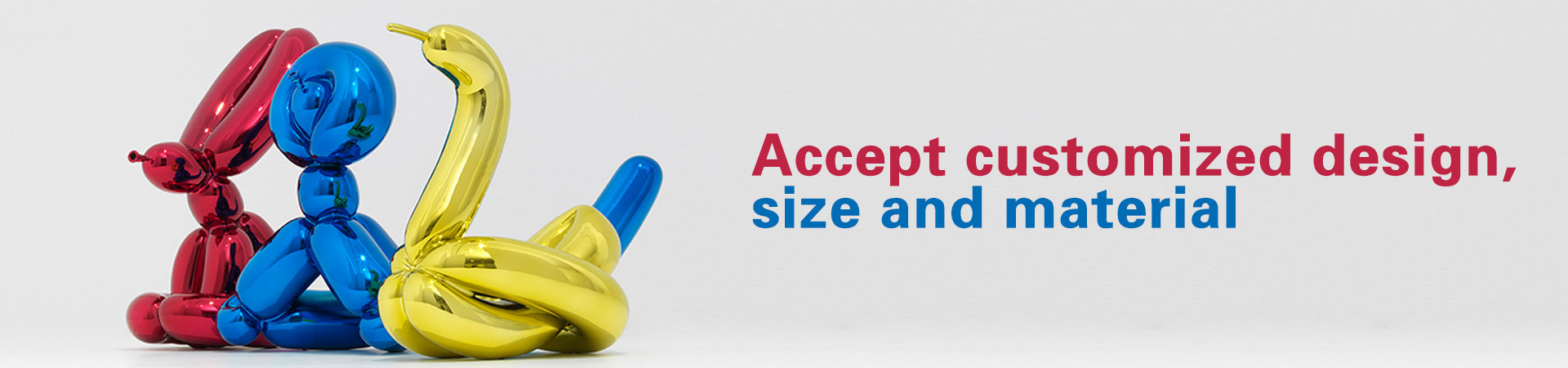
which are cast with these three alloys. The left is stainless steel casting. It looks silver like after proper surface treatment and finishing. The middle is bronze casting. It looks more “traditional” . The right is aluminum casting. Aluminum casting is more and more employed nowadays to replace bronze for a couple of reasons. Below is the takeaway for this post. Bronze Casting Aluminum Casting Stainless steel Casting Bronze casting is the most widely used traditional alloy. Highly flexible for patina, finishing and texture treatment. Bronze can be used for both miniature and monument with different casting technique: lost wax casting and sand casting. The cost of bronze casting lies between of casting aluminum and stainless steel. One of best upside of bronze is it can cast sculpture with the finest details and texture. Aluminum casting is becoming more and more popular for a couple of reason: 1) It is cheaper than bronze casting. 2) It is highly corrosion resistance. 3) It is lighter than bronze and aluminum, which make installation easier, especially monumental sculpture. Downside of aluminum casting: 1) Its weldability is poor. Only very skillful welder can do it well. 2) The hardness of aluminum is not as high as bronze, making its strength not as solid as bronze too. Stainless steel can be used for casting small sized sculptures. Its hardness and corrosion resistance performance is superior. The downsides of stainless steel casting is that 1) It costs more than bronze and aluminum. 2) Usually it is only used for small sized sculpture as the chasing and finishing on stainless steel is very difficult. 3) It is very heavy. We suggest to take the following factors into consideration when choosing the specific alloy for your sculpture project. Budget: Stainless steel casting costs
manufacturing process. The page even allows viewers to interact with the artist in a living way. I can imagine it is not difficult to connect with the barcode with an instant messager like Skype or Google Talk. The viewers can chat with artist, ask questions and get answered, etc. The artist’s bio, his/her career path, other works, his own statement of this work. You can see, at this stage, the relation between artwork, viewers and artists has changed. It is more interactive; it deepens viewer’s understanding about the work and the artist. The viewers get more involved with public art. On the other hand, with some statistic data, artist can even know how many people view his work, like or dislike the work. Honest feedback is possible